Years Experience in Web & UI Design
Websites design & Built over my career
My career started the proper way — junior designer, long hours, steep learning curve. Over time I worked my way up through senior designer and front-end developer roles, then Creative Director and eventually Managing Director at a full-service Manchester agency. That’s a lot of briefs, a lot of clients and a lot of lessons learned the hard way.
I hold a BSc (Hons) in Multimedia & Website Development from the University of Bolton — back when building a website meant hand-coding everything and loving it. Those fundamentals still shape how I approach every project today.
For the last seven years I’ve been the lead designer a full-service agency in Atlanta, US — working fully remotely and delivering everything from UX strategy and Figma prototypes through to pixel-perfect WordPress builds and brand work.
I’m all-in on AI as a design and development tool. I completed Anthropic’s Claude 101 course and use Claude and Claude Code daily — for UX research, design critique, front-end code generation and moving faster from idea to output. AI doesn’t replace experience — it amplifies it. And 22 years of experience is a decent base to build from.
Not as a gimmick. Not to write bad copy. I use Claude and Claude Code as genuine tools in my design and development workflow — and it’s changed how I work for the better.
I use AI to research UX patterns faster, sanity-check accessibility decisions, generate and refactor front-end code, produce component documentation and move from concept to prototype at a pace that was impossible a few years ago. It means you get more thinking, better quality and faster delivery — without inflated agency bills.
If you’re an agency wondering whether AI makes freelancers obsolete or superhuman — it’s definitely the second one. Come find out.

Claude Code
Elementor One Ai
Grok
Visual Studio Code
Work History
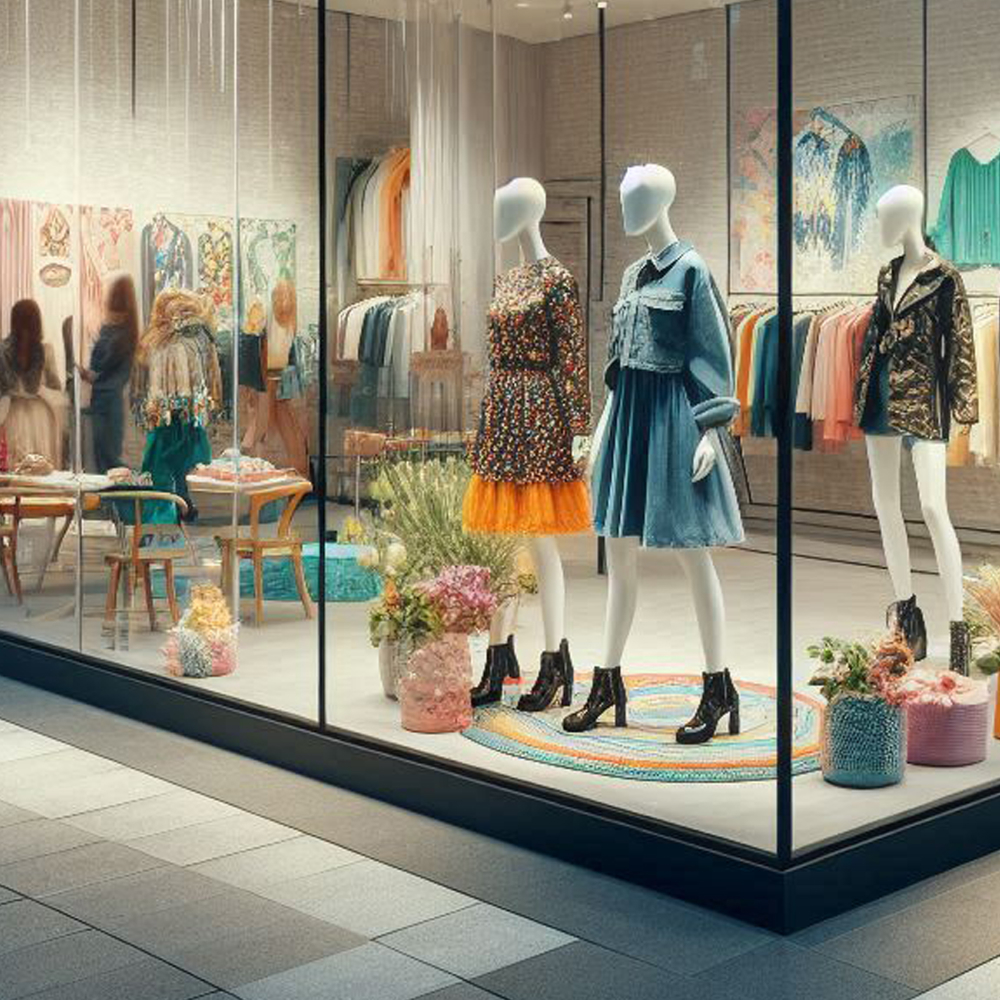
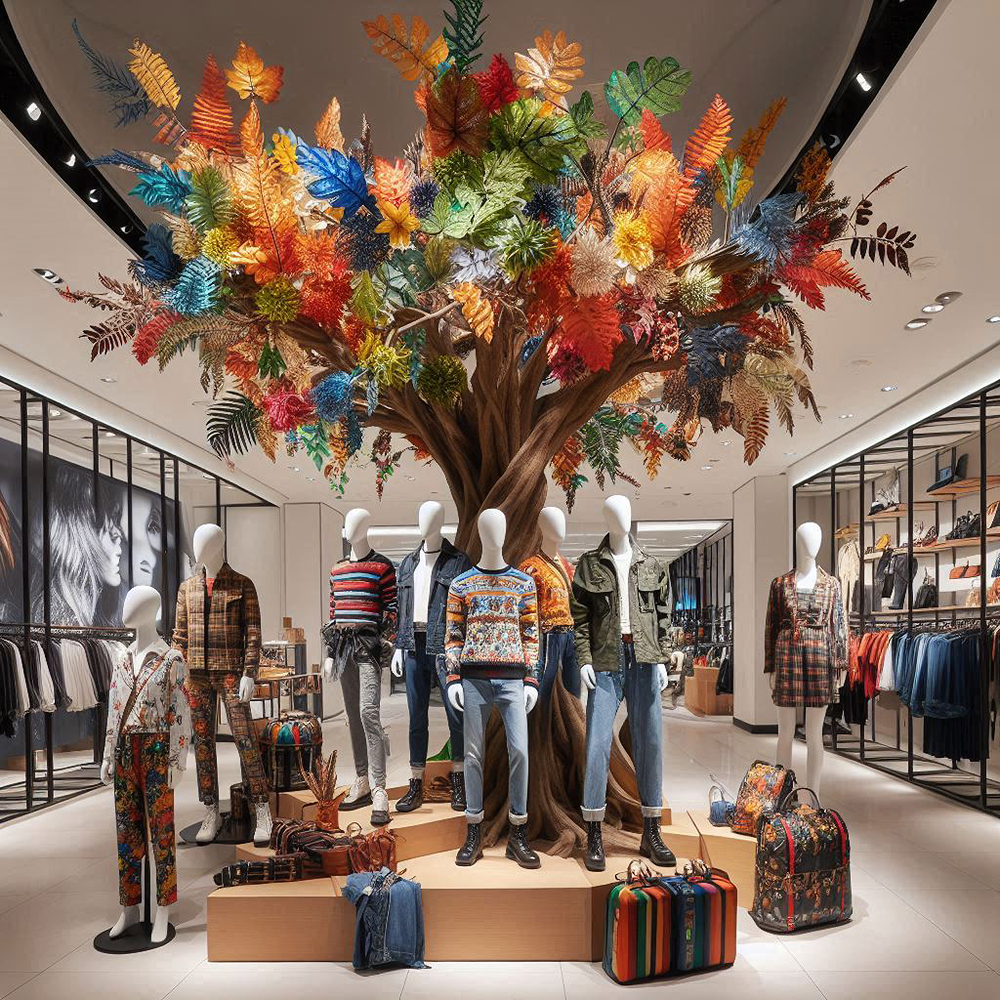
My first proper taste of visual thinking — before I even knew design was a career. Managing the shop floor at Rip Rap Fashions meant understanding how people moved through a space, what caught their eye and what didn’t. Visual merchandising is essentially UX for physical retail — arranging product, colour and space to guide behaviour and drive decisions. I learned how to tell a visual story without words, how hierarchy and composition influence what people see first, and how a well-considered layout converts browsers into buyers. Looking back, every principle I applied to window displays and floor layouts maps directly to how I approach a web page today. The eye always goes somewhere — you might as well decide where.
This one sits slightly outside the design story — but it’s part of mine. Working in the family transport business during my late teens and early twenties while simultaneously working toward my degree at the University of Bolton taught me more about discipline, responsibility and commercial reality than any classroom. Running a business — even as a junior partner — means understanding margins, deadlines, logistics and people. It means being accountable when things go wrong and solving problems quickly without the luxury of overthinking. Those habits — the practicality, the delivery focus, the understanding that creative work exists inside a commercial context — have shaped how I operate as a designer ever since. I showed up, I grafted, and I got my degree. Not everyone does both.
Fresh out of university with a BSc in Multimedia & Website Development and straight into the deep end. Autotrader in 2004 was a production operation — one homepage per day, every day, for car dealerships across the UK. The workflow was Photoshop to ImageReady, slicing layouts pixel by pixel, then dropping them into an iframe. By modern standards it sounds brutal. At the time it was the best possible training ground I could have found. Speed, consistency, client requirements, production pressure — I learned to make design decisions fast and stand by them. I learned that good enough and on time beats perfect and late every time. It was a creative sweatshop in the best possible sense. I came out the other side able to design quickly without cutting corners on quality. That skill has never left me.
If Autotrader taught me speed, Grow Studio taught me craft. Working under Dale Palmer was a turning point — a genuinely great mentor who showed me what considered, purposeful web design actually looked like. For the first time I was building real websites with real front-end code, understanding the relationship between design decisions and their technical execution, and learning that the two disciplines aren’t separate — they’re the same conversation. Dale had high standards and the patience to explain why they mattered. I learned CSS properly here. I learned to think about hierarchy, whitespace and typography with intention rather than instinct. I left Grow Studio with a foundation I still build on today. Every good mentor changes the trajectory of a career. Dale changed mine.
My first leadership role in design — and with it, the shift from producing work to being responsible for the quality of everyone else’s. Head of Design at Lamp Media meant setting the creative direction, maintaining standards across the team and being the person who signed off on what went out the door with the agency’s name on it. I learned quickly that leadership in a creative environment isn’t about having the best ideas — it’s about creating the conditions for good ideas to emerge, giving feedback that improves work without crushing confidence, and holding a consistent quality bar even when timelines are tight. It was challenging, occasionally uncomfortable and exactly the kind of experience that prepares you for everything that comes after.
Returning to hands-on front-end work after a leadership role was a deliberate choice — I wanted to sharpen the technical side of my skillset before moving into the next chapter. Freelancing for First Internet meant building production websites with a focus on clean, well-structured front-end code. This was the era of Bootstrap, Sass and increasingly complex responsive requirements — the web was getting more technically demanding and I wanted to stay genuinely capable, not just design-adjacent. The discipline of freelancing — the accountability, the client management, the self-reliance — suited me. Nobody checks your work before it ships. That focus sharpens everything. It was during this period that I realised remote, focused, independent working was where I did my best thinking.
The thread that runs through everything. Freelancing has been the constant alongside every other role — the work I’ve always come back to and the model that ultimately won. Over seventeen years I’ve designed and built websites for agencies, startups, established businesses and everything in between. From single-page builds to complex WooCommerce stores, from branding projects to full UI/UX systems designed in Figma and built in Elementor from scratch. Freelancing taught me how to manage clients, hit deadlines without a safety net, price my work properly and keep getting better without anyone telling me I had to. It’s given me the career I actually wanted — varied, self-directed and built entirely around doing good work for people who value it.
We’ve worked with Paul on many projects have never been let down, his professional approach and vast online understanding makes for a smooth running within budget job.
I’d recommend Paul and Juice to any of our clients.
Creative Director - Blaze Marketing
Paul is the perfect freelance web designer. He is quick, reliable and works independently on solutions. If a company works directly with him they get the biggest gain because they are getting the quality of work London agencies would charge double for. I consistently recommend Paul to clients without hesitation. Feel free to contact me for more information.
Digital Marketing Strategist
Marketing Leader
Always good quality and done in good time. Paul has a ‘can do’ attitude. Would be happy to use again and refer you.
Managing Director at iZurch Ltd
Design Manager at Ina4.com
Owner WHD Solutions